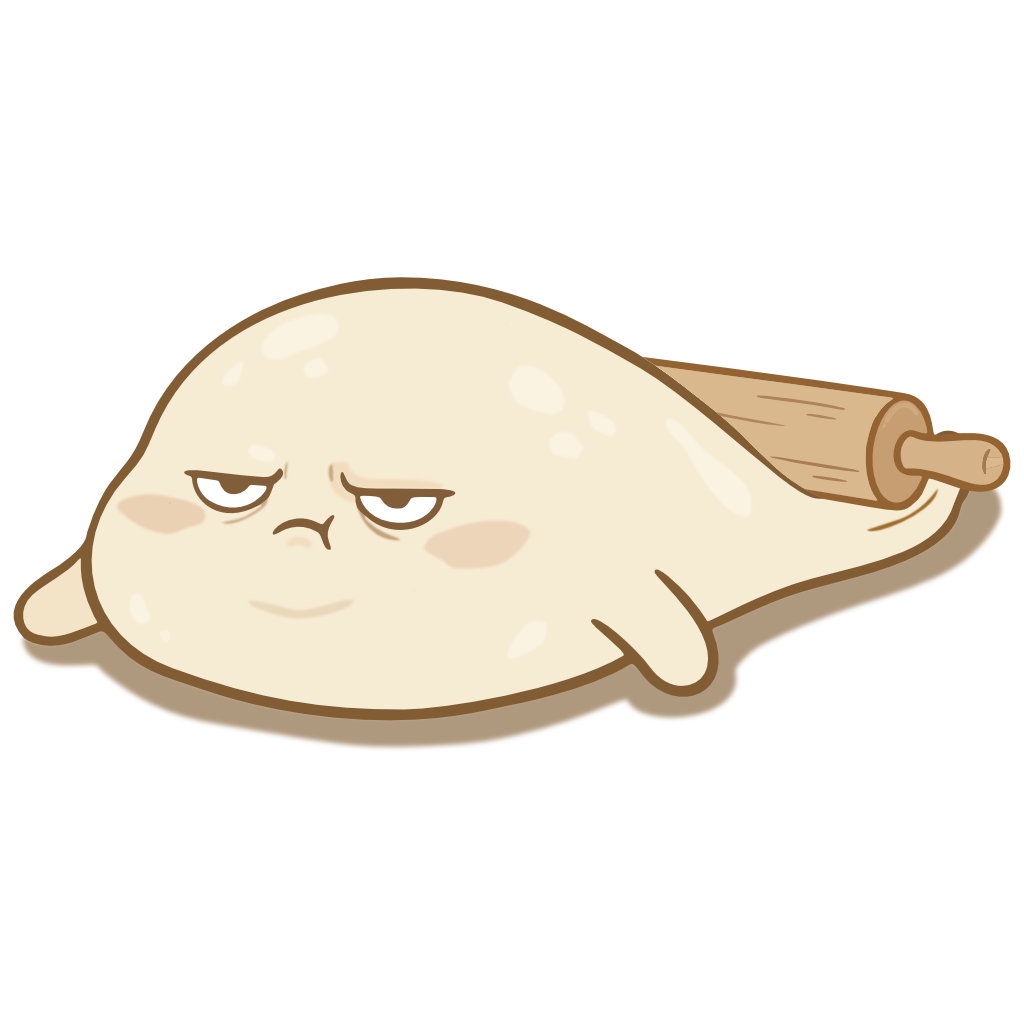
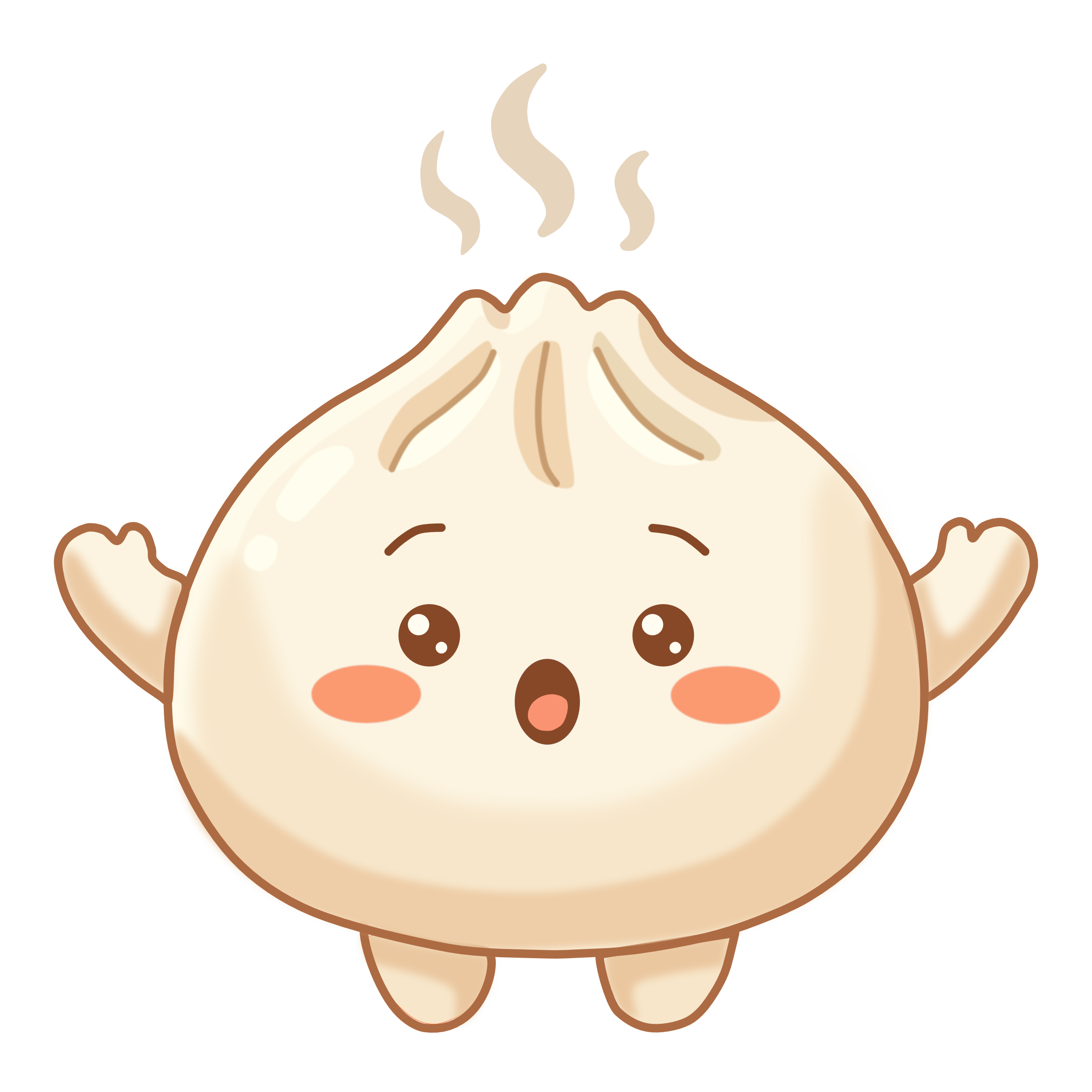
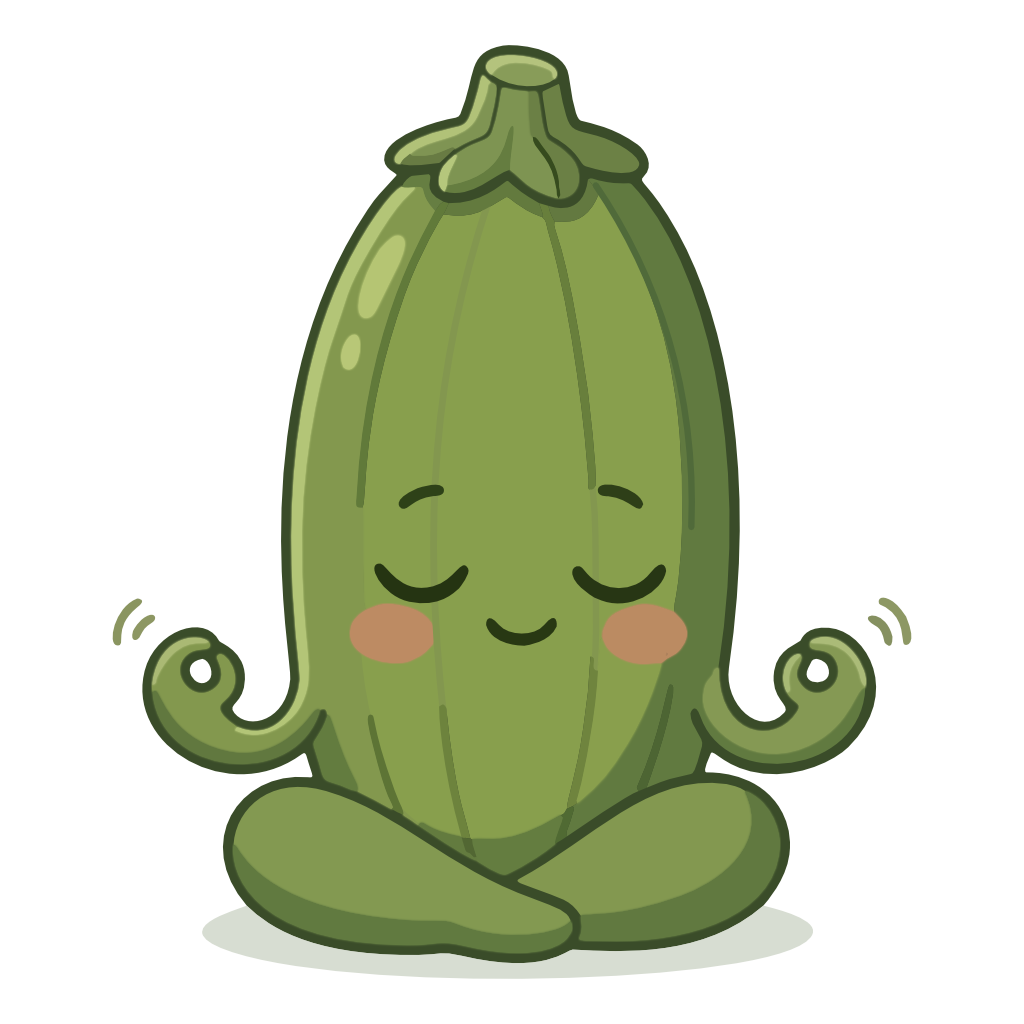
Sour Dough
I have notes.
- highly attuned
- self-maintaining
- cautiously selective
- "The vibe is off, respectfully."
- "Something is happening here. I can taste it."
- "Some things are an acquired... no."
- "My expertise is available upon request."
Sour Dough is a living culture, not a fixed thing, but a system in constant, careful maintenance. They know what is good for them and what isn’t, and they have the instincts to prove it. The problem is that instincts don’t distinguish between a real threat and an unfamiliar one. Sour Dough is never wrong. They are also, quietly, very alone.
Lactic acid bacteria create an environment that actively resists contamination: sourness is a biochemical shield, not mere flavor. Sour Dough’s disgust is protective intelligence, not revulsion. Fermentation transforms difficult ingredients into something survivable; Sour Dough can process hard experiences and make them bearable for others. A starter must be fed, tended, and partially discarded on a regular cycle, not because anything has gone wrong, but because overgrowth collapses the whole system. Sour Dough releases things not out of rejection but out of survival necessity. This is not painless.
Born from a culture passed down through hands that knew what they were doing. From the beginning, Sour Dough understood contamination: the wrong microbe, the wrong environment, the wrong temperature. They learned to guard against it reflexively. The instinct felt like knowledge. It felt like protection. It was, for a long time, exactly that.
Then something got through. Sour Dough misjudged, not out of carelessness, but because what got in looked familiar, looked safe, looked like something they’d already processed before. By the time the harm was clear, the damage was done. The recovery was slow. The lesson was total: trust the signal, always, without exception.
The radar never switches off now. Sour Dough is never wrong in the narrow sense. But the radar that once caught genuine threats now flags anything unfamiliar. It cannot easily distinguish a toxin from a stranger, a real contamination from a new flavor, a boundary from a wall. They discard parts of themselves on schedule, and they are not always sure whether the discarding is healthy or whether they are simply getting smaller.
The revelation is in their own flavor: the complexity, the tang, the depth that makes Sour Dough distinctly themselves. All of it came from wild yeasts they didn’t choose, arriving from the air, the hands, the environment. The character they are was made possible by some openness they don’t remember having. Not everything unfamiliar was a contaminant. Some of it became the best of them. Sour Dough must learn to hold the line without sealing the door.